Today, aggregators list dozens of the same print or edition online, allowing buyers to compare them side by side and, more often than not, choose the cheapest option. If someone wants a Warhol “Liz”, they’ll head to Artsy or Artnet, scroll through multiple examples, and buy whichever looks “good enough” for the lowest price.
This democratization of the art market has its upside, but it also flattens the experience. Works of art are being reduced to a checklist of granular criteria (size, edition number, paper type, provenance, even the exact shade of red or green) rather than what originally drew people to art in the first place: the emotional connection.
But here’s the reality: no algorithm can replace relationships.
Most of the artwork I handle never appears on public platforms. The rarest pieces, 20th century masterworks, fresh-to-market estates, private consignments, are shared discreetly with collectors who know me. And because I know them, I can call and say, “George, a Marc Chagall painting just surfaced that I think you’ll love.” (or insert: Picasso, Miro, Warhol, Dali, Calder, Vasarely, etc.) That kind of access isn’t found through a search bar.
Back in the 1990s, I built my own client database to remember what truly matters: the details of individual collectors; their preferred artists, themes, sizes, media, and budgets. AI may be able to crunch the data, but it can’t recreate the human instinct of knowing when a collector will respond to a certain painting, or the trust that comes from years of conversations.
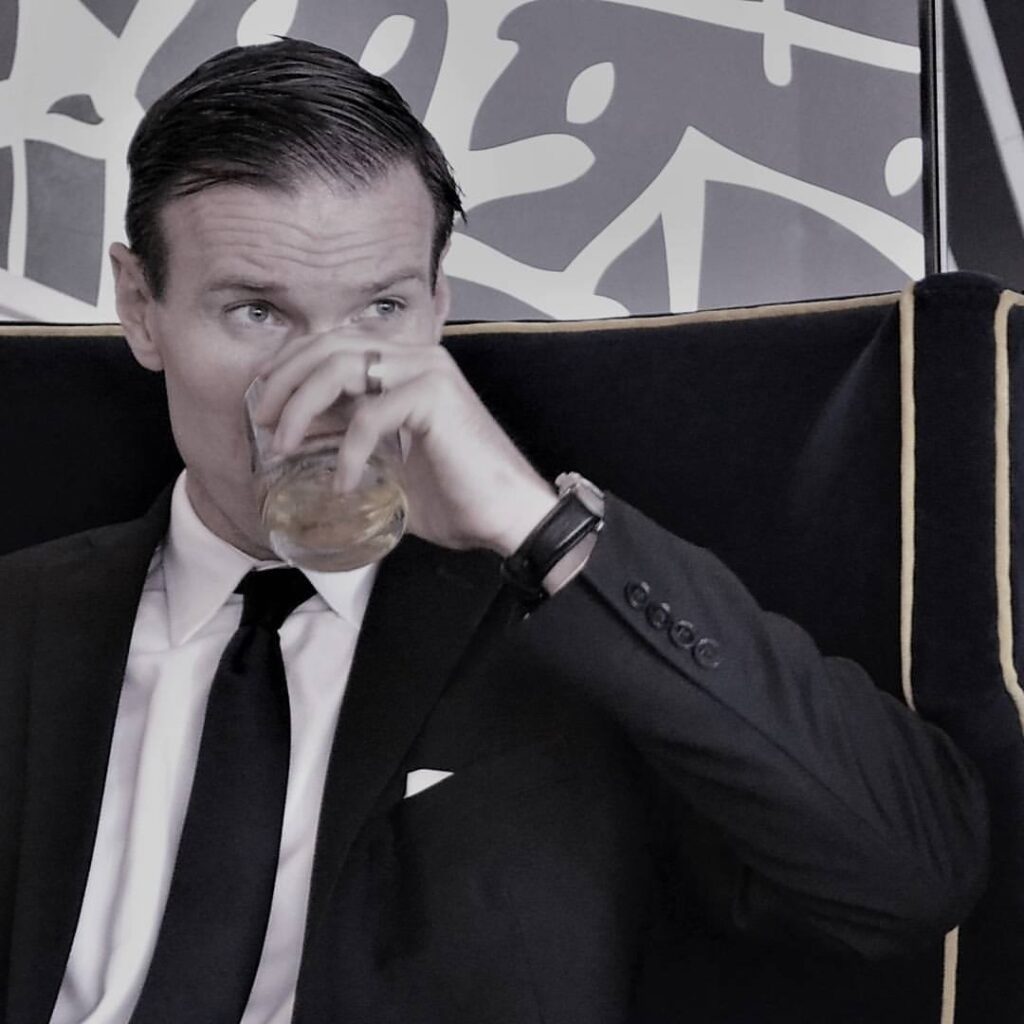
In a world where much of the art market feels like ordering air filters online, there’s still a world reserved for those who value discretion, expertise, and access. That’s where you’ll find me… probably chatting away over a coffee or cocktail.
The landscape of art is changing—rapidly.
August 25, 2025/