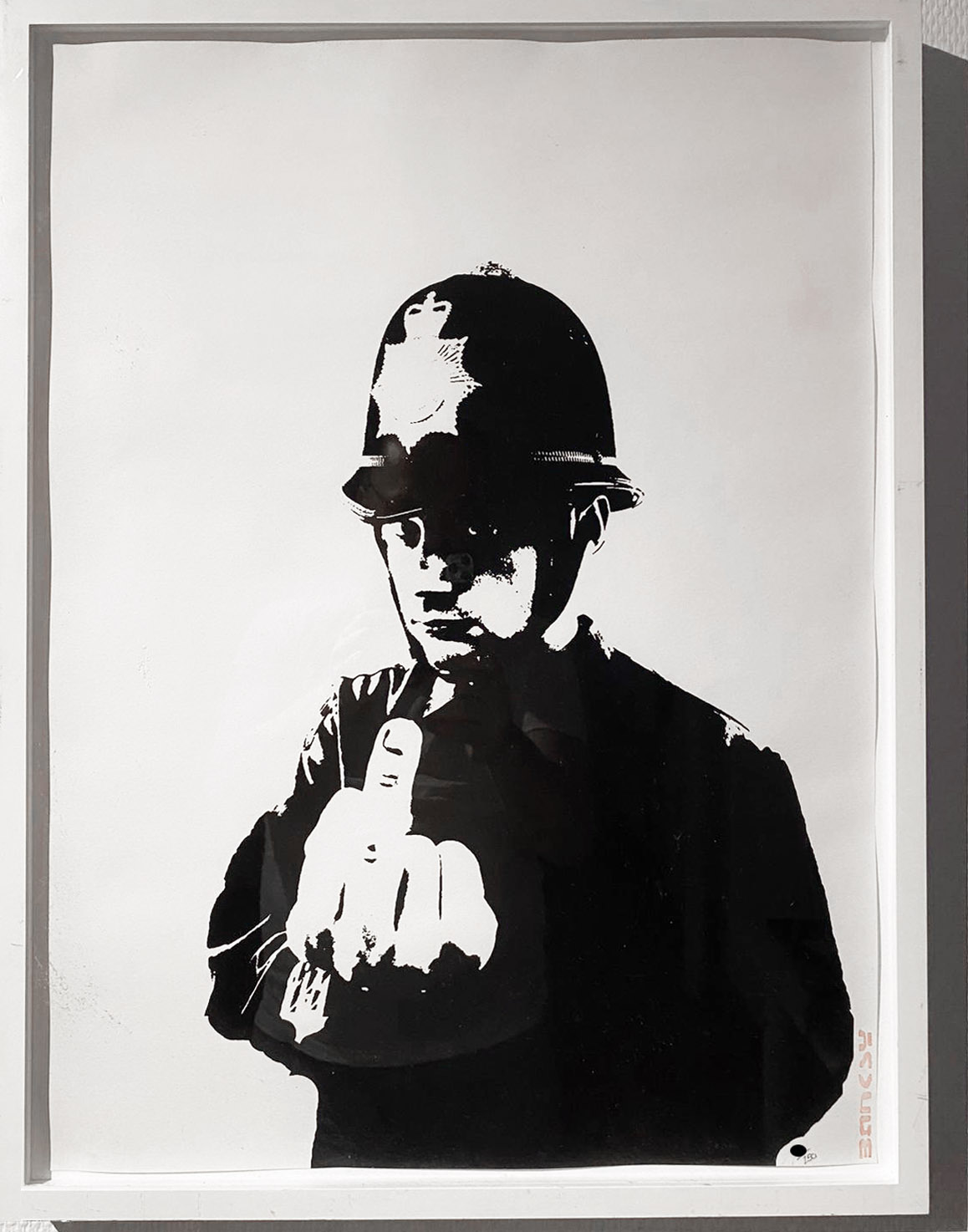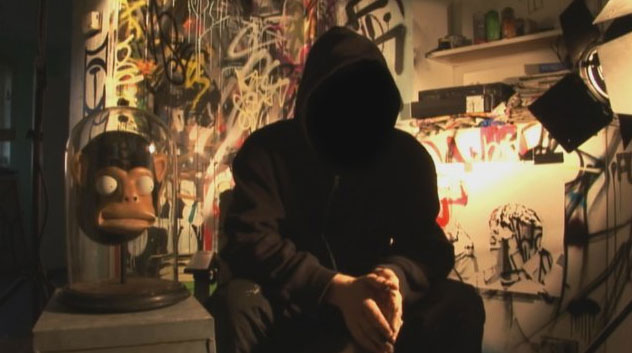
Was Banksy really unmasked?
And perhaps the more important question: what do we lose as a society by doing so?
I should begin with a confession. I was a journalism student in college. I understand the impulse to break a story. Journalists are, by nature, professional curiosity machines. Give us a mystery and we will poke at it until something falls out.
But there are mysteries that help the world become a better place when solved—and others that are better left alone.
Banksy’s identity was one of the latter.
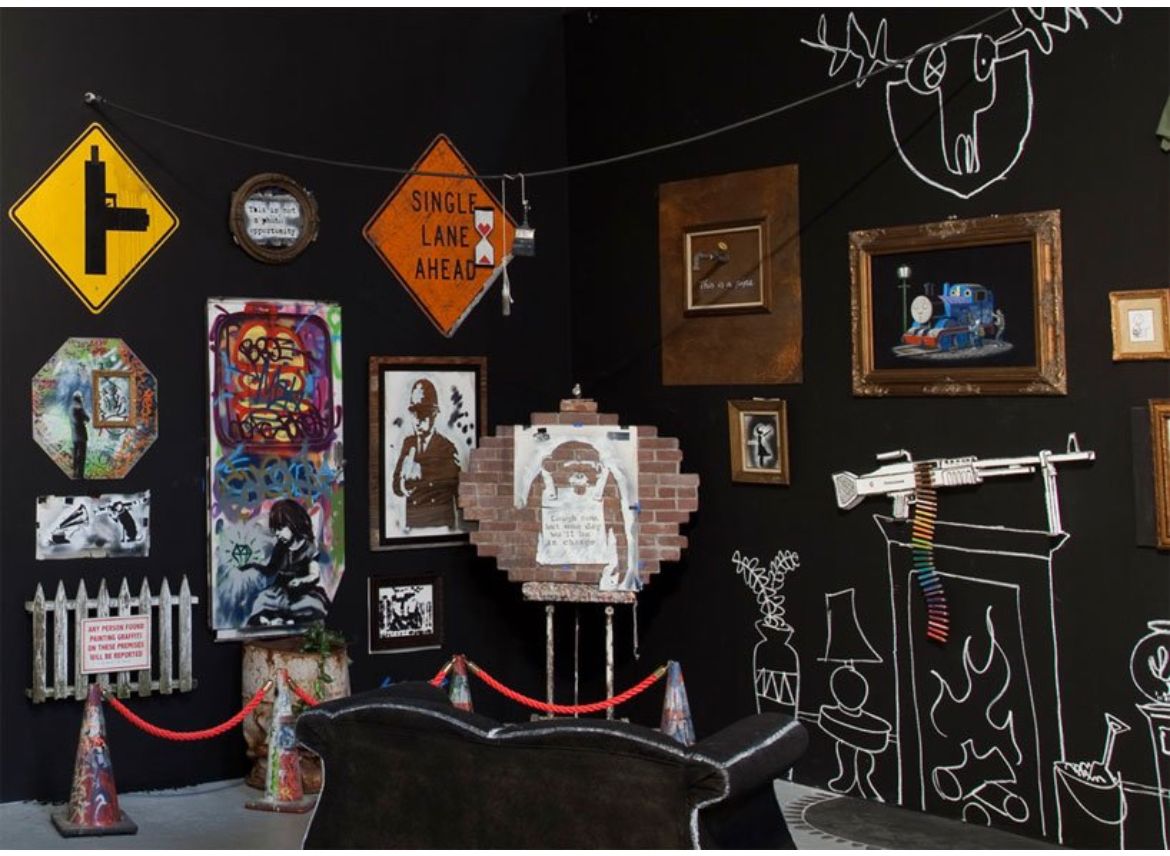
Humans are wired to solve puzzles. It’s practically encoded in our DNA. From Stonehenge to the Zodiac Killer to the last cookie mysteriously disappearing from the jar, we are relentless investigators.
But part of what made Banksy so endlessly fascinating was precisely that we didn’t know.
For years the speculation became its own form of entertainment. Was Banksy actually Robert Del Naja, the lead singer of Massive Attack? Fans noticed that Banksy murals seemed to appear in cities shortly after Massive Attack tour stops. Coincidence? Maybe. Maybe not.
Or was it Robin Gunningham, a Bristol resident rumored to have once gone by the street name “Robin Banks”? If that were true, the transition to “Banksy” would hardly require Sherlock Holmes to make the leap.
Or perhaps—and this may still be the most compelling theory—it was never one person at all, but a loose collective of artists operating under a shared pseudonym.
Frankly, the possibilities were half the fun.
The anonymity gave Banksy something rare in the modern art world: freedom.
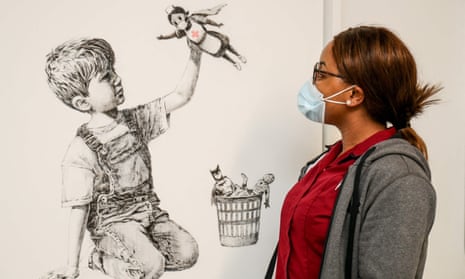
Freedom to slip a painting onto the wall of a hospital during the darkest days of COVID-19. That work, Game Changer, was later auctioned to benefit Britain’s NHS, raising £16.76 million ($23.2 million) in March 2021.
Freedom to orchestrate the greatest mic-drop moment in auction history when Girl With Balloon shredded itself moments after the hammer fell.
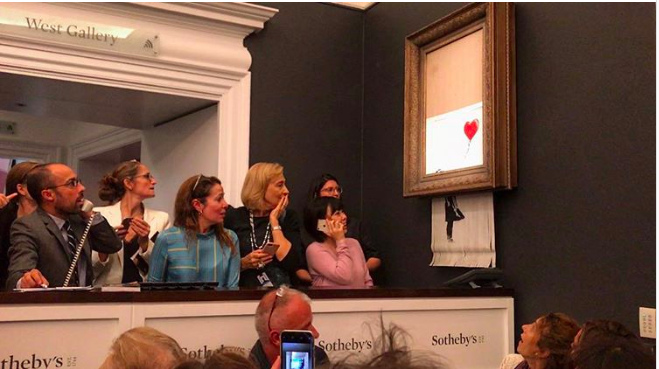
Freedom to appear, disappear, provoke, mock, donate, disrupt—and leave no forwarding address.
No interviews.
No press conferences.
No one to call for a charity receipt.
It was performance art on a global scale.
And now—after years of speculation—three determined journalists have reportedly cracked the case.
Which raises the obvious question:
Did we really need this mystery solved?
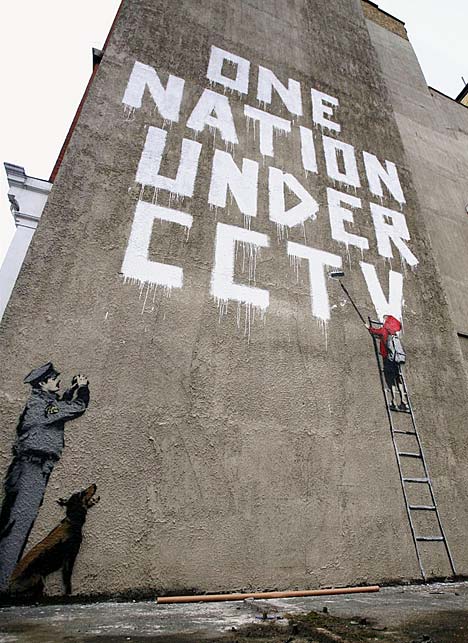
At a moment when the world is still waiting for answers in the Epstein files, it’s oddly poetic that investigative energy landed instead on the one global enigma that arguably made life a little more interesting by remaining unsolved.
Again, I understand the instinct. Journalists chase stories the way bloodhounds chase scent. When you believe you’re holding the truth, the temptation to publish it is overwhelming.
But some truths don’t necessarily make the world richer once revealed.
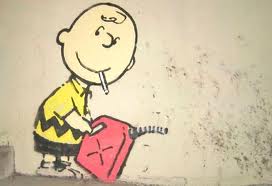
Some mysteries are cultural campfires. They give us something to gather around, speculate about, and argue over with friends.
Banksy’s identity was one of those campfires.
And now that someone has poured a bucket of water on it, the question lingers:
Are we actually better off knowing?
Or did we just lose a little bit of magic?