






Andy Warhol (1928–1987)
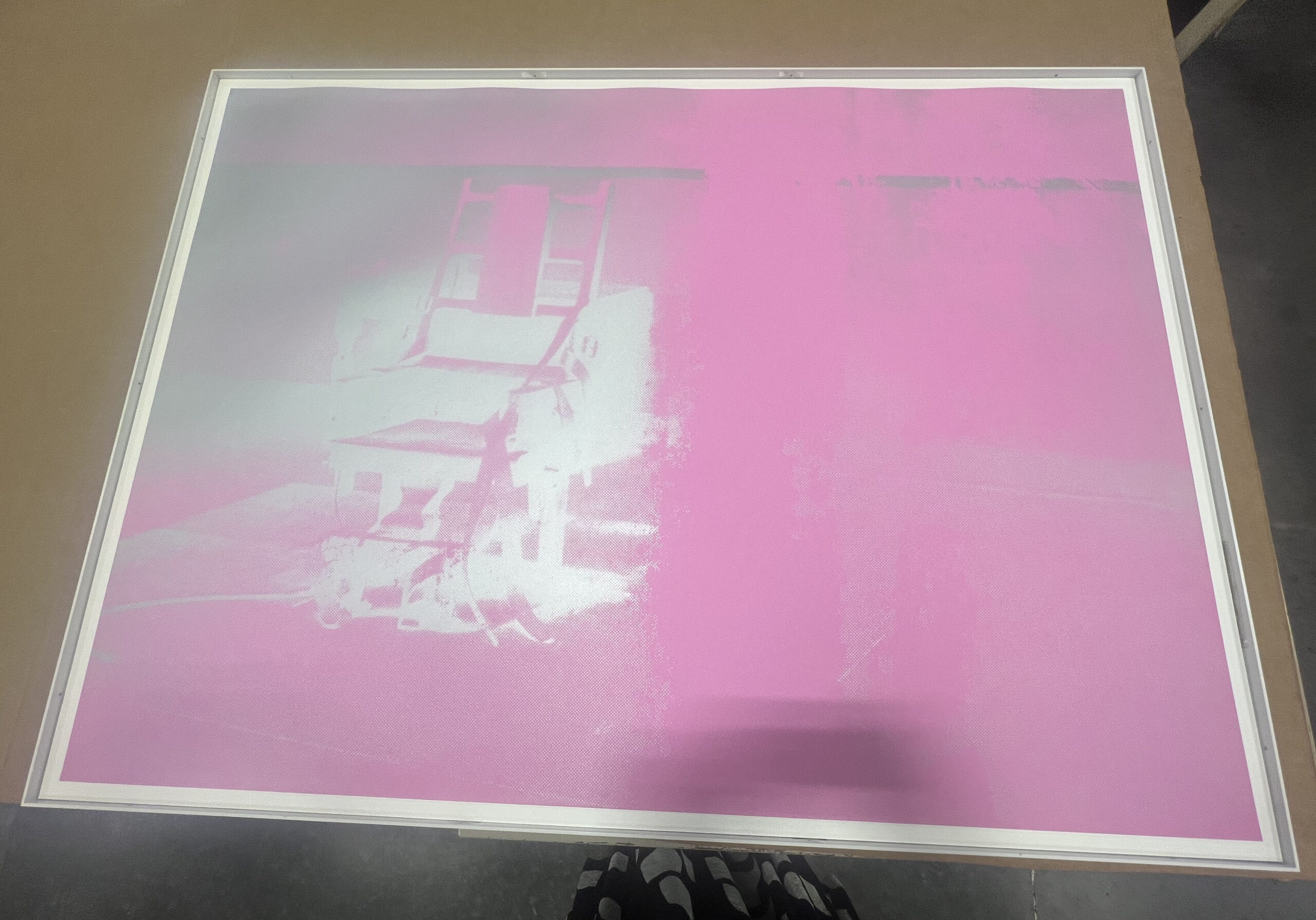
Electric Chair, 1971
Medium: Screenprint in colors on paper
Dimensions: 90.2 × 121.9 cm (35½ × 48 in.), unframed
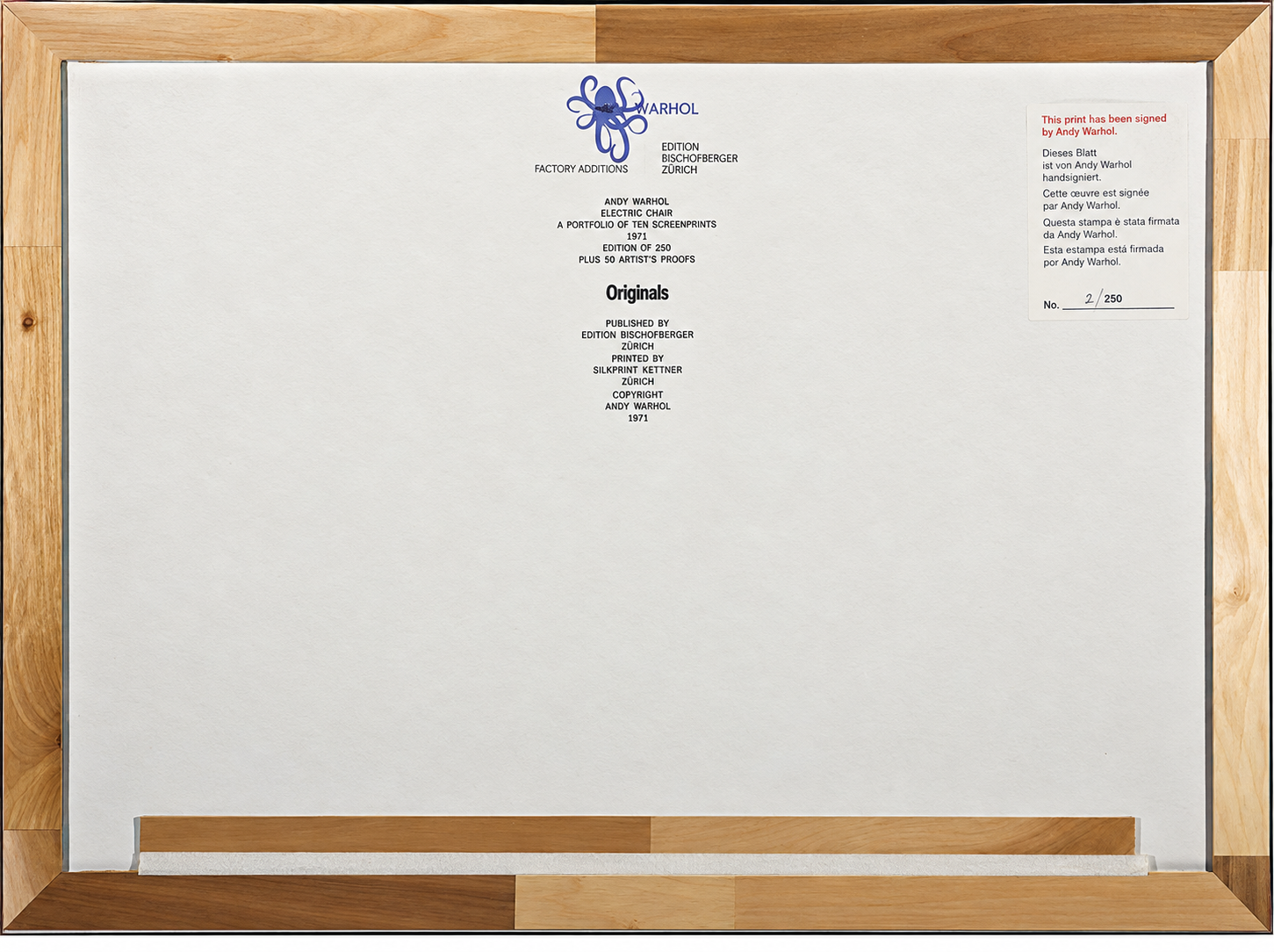
Edition: From an edition of 250, plus 50 artist’s proofs
Signature: Signed and dated on the verso
Printer: Silkprint Kettner, Zurich
Publisher: Bruno Bischofberger, Zurich
Catalogue Raisonné: Feldman & Schellmann, Andy Warhol Prints: A Catalogue Raisonné 1962–1987, catalogue number to be confirmed
Price: on request
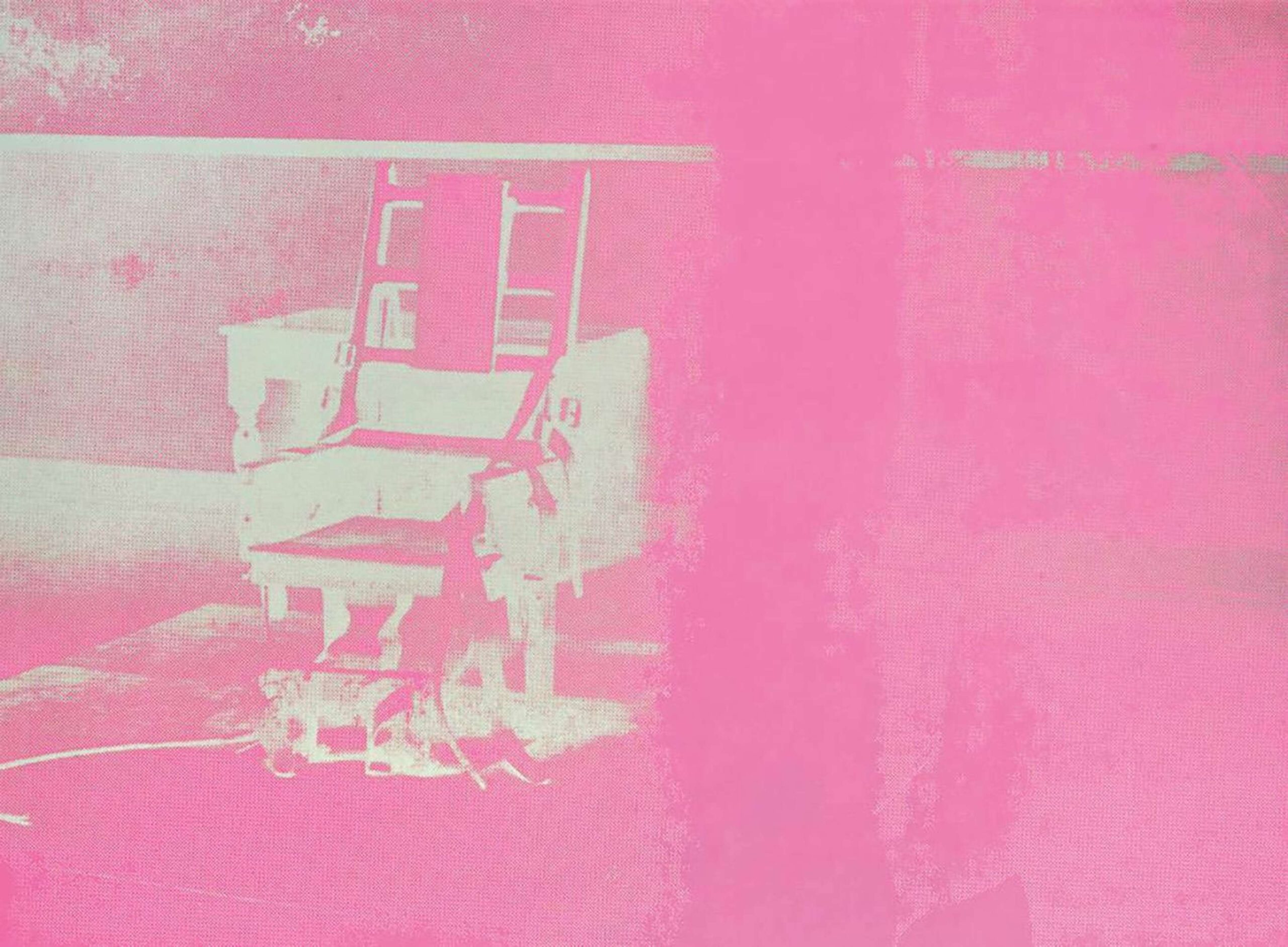
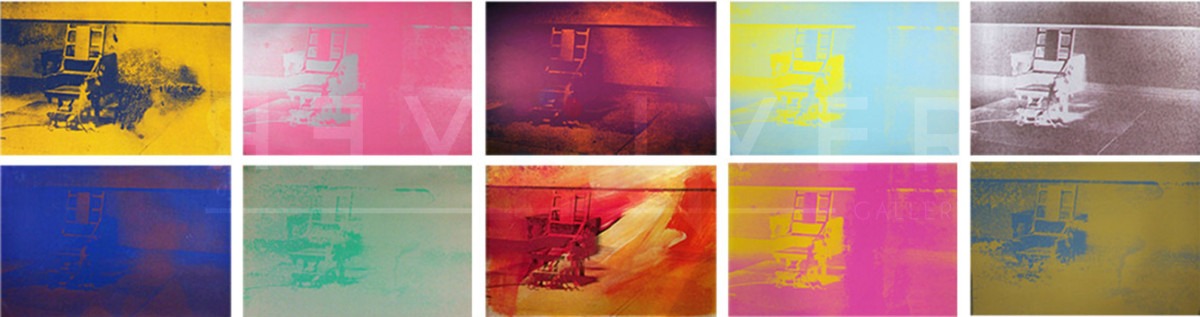
Andy Warhol’s Electric Chair (1971) is among the most provocative and historically significant images in the artist’s celebrated Death and Disaster series. First explored in the early 1960s, the subject reflects Warhol’s fascination with the intersection of mass media, mortality, and the American experience. Derived from a press photograph of the execution chamber at Sing Sing prison in New York, the image depicts an empty electric chair. Its unsettling stillness transforms an instrument of execution into a haunting symbol of institutional power, violence, and absence. For his 1971 portfolio, Warhol revisited the composition through ten distinct color variations, replacing the stark photographic realism of the original image with the unexpected visual language of Pop Art. This example features a striking pink ground contrasted with pale, almost ghostlike imagery. The unusual palette creates a compelling tension between the work’s seductive color and its disturbing subject matter, a contradiction central to Warhol’s artistic practice.
Warhol’s Death and Disaster series represents a defining chapter in his career. Alongside images of automobile accidents, suicides, and other tragedies, Electric Chair challenged conventional distinctions between fine art, mass-produced imagery, and the spectacle of death in American popular culture. By repeatedly presenting disturbing images in vivid, sometimes decorative colors, Warhol encouraged viewers to reconsider how familiarity and repetition affect their emotional responses. More than five decades after its creation, Electric Chair remains a powerful example of Warhol’s ability to transform an ordinary photographic image into an enduring cultural statement.